
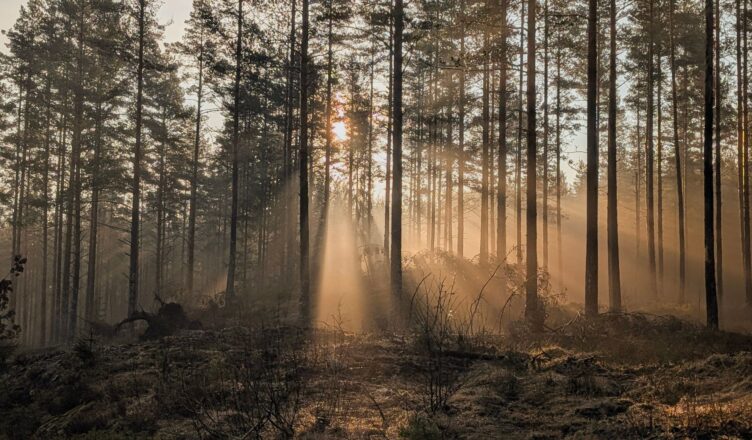
Forest stress detection is essential for understanding ecological health. Recent satellite observations reveal that signs of stress can appear up to two years before bark beetle die-offs become visible.
Understanding Forest Stress
Forest ecosystems are increasingly threatened by various stressors, including climate change, pests, and diseases. Understanding forest stress is crucial for early intervention and management. One of the most effective ways to detect forest stress is through advanced satellite technology, which has demonstrated the ability to identify signs of distress long before visible symptoms appear.
Recent studies have shown that satellites can spot forest stress indicators up to two years before observable die-offs, such as bark beetle infestations, become evident. This early warning capability allows forest managers to take proactive measures to mitigate damage and preserve forest health.
Key indicators of forest stress include:
- Changes in foliage color: Shifts in leaf pigmentation can signal nutrient deficiencies or water stress.
- Tree growth rates: A decline in growth can indicate that trees are struggling to thrive in their environment.
- Soil moisture levels: Monitoring soil conditions can reveal underlying issues affecting tree health.
By utilizing remote sensing technologies, researchers can gather critical data on these parameters, enabling them to assess the overall vitality of forested areas. This method of forest stress detection not only aids in managing existing resources but also helps in making informed decisions about reforestation and conservation efforts.
The Role of Satellites in Monitoring
Satellites play a critical role in the early detection of forest stress, significantly enhancing our ability to monitor and manage forest ecosystems. By utilizing advanced remote sensing technologies, researchers can identify early signs of distress in trees caused by factors such as drought, disease, or pest infestations. This capability is particularly important in the context of forest stress detection, as it allows for proactive measures to mitigate potential damage.
Recent studies have demonstrated that satellite imagery can reveal changes in vegetation health long before visible symptoms, such as bark beetle infestations or tree die-offs, occur. This early warning system relies on several key methods:
- Multispectral Imaging: Satellites equipped with multispectral sensors can capture data across various wavelengths, enabling the assessment of plant health by detecting changes in chlorophyll levels.
- Normalized Difference Vegetation Index (NDVI): This index calculates the difference between near-infrared and visible light reflected by vegetation, providing an indicator of overall health and stress levels.
- Thermal Imaging: By monitoring temperature variations in forest canopies, thermal imaging can indicate water stress, which is often a precursor to larger issues.
Overall, the integration of satellite data into forest management practices represents a significant advancement in our ability to respond to and mitigate forest stress.
Bark Beetle Life Cycle
The bark beetle lifecycle plays a crucial role in understanding forest stress detection, particularly as their populations surge in response to ecological changes. These insects have a complex life cycle that contributes to tree mortality, particularly in stressed forests.
Typically, the life cycle of a bark beetle can be broken down into several stages:
- Egg Stage: Adult female beetles bore into the bark of trees to lay their eggs. The choice of tree is often influenced by the tree’s health and stress levels.
- Larval Stage: Once the eggs hatch, larvae feed on the inner bark, disrupting the tree’s nutrient flow. This stage is critical as it can lead to significant damage.
- Pupal Stage: After feeding, larvae pupate within the bark, eventually maturing into adult beetles ready to emerge and repeat the cycle.
- Adult Stage: The adult beetles emerge, seeking new hosts. Their presence often signals a stressed ecosystem, as healthy trees typically resist infestation.
Understanding this life cycle is essential for effective forest stress detection, as early intervention can mitigate the impact of these pests. Monitoring tools, including satellite technology, enhance our ability to predict bark beetle outbreaks, allowing for timely management strategies to protect vulnerable forests.
Impact of Climate Change on Forests
The impact of climate change on forests is becoming increasingly evident, as shifting weather patterns and rising temperatures contribute to various stressors affecting tree health. These changes can lead to significant ecological consequences, including increased susceptibility to pests, diseases, and extreme weather events.
One of the primary effects of climate change is the alteration of precipitation patterns. In many regions, forests are experiencing prolonged droughts that weaken trees and make them more vulnerable to stress. This forest stress not only affects individual trees but also disrupts entire ecosystems, leading to a decline in biodiversity.
Additionally, higher temperatures can accelerate the life cycles of harmful insects, such as bark beetles, which thrive in warmer conditions. This phenomenon results in more frequent and severe infestations, compounding the stress on already vulnerable forests. As these pests become more prevalent, early detection methods are crucial for mitigating damage.
Moreover, climate change can lead to increased frequency and intensity of wildfires. These events can devastate large areas of forest, further highlighting the need for effective monitoring and early warning systems. To combat the ongoing threats posed by climate change, researchers are focusing on developing innovative techniques for forest stress detection.
By employing advanced technologies and methodologies, we can gain insights into forest health and take proactive measures to protect these vital ecosystems from the adverse effects of climate change.
Early Warning Systems
Early warning systems play a crucial role in the timely detection of forest stress, enabling proactive measures to mitigate environmental damage. These systems utilize a combination of satellite imagery, ground-based observations, and data analytics to identify signs of distress in forest ecosystems.
One of the most effective methods involves the integration of remote sensing technology, which allows for the continuous monitoring of tree health across vast areas. This technology can detect changes in leaf water content, chlorophyll levels, and other indicators of stress long before visible signs, such as tree discoloration or die-off, emerge.
Key components of early warning systems include:
- Data Collection: Gathering data from various sources such as satellites, drones, and ground sensors.
- Data Analysis: Implementing algorithms to process the collected data and identify patterns indicative of forest stress.
- Real-Time Monitoring: Establishing systems to provide continuous updates and alerts regarding tree health and potential threats.
- Community Engagement: Involving local communities in monitoring efforts to enhance data accuracy and foster stewardship.
By integrating these elements, early warning systems can effectively support forest stress detection, providing critical insights that help forest managers take action before severe ecological consequences occur.
Strategies for Forest Management
Effective forest management strategies are essential for mitigating the impacts of environmental stressors and ensuring the health of ecosystems. One critical aspect of this management is the implementation of forest stress detection techniques that allow for early identification of potential threats.
Several strategies can be employed to enhance forest management:
- Regular Monitoring: Utilizing a combination of satellite imagery and on-the-ground assessments can provide comprehensive insights into forest health. Monitoring changes in vegetation patterns or color can indicate stress before significant damage occurs.
- Promoting Biodiversity: Maintaining diverse tree species within a forest can enhance resilience against pests and diseases. Biodiversity not only supports various wildlife habitats but also improves the overall stability of the ecosystem.
- Implementing Thinning Practices: Thinning overcrowded forests can reduce competition for resources among trees. This practice can improve growth rates and decrease susceptibility to stress caused by drought or pests.
- Public Awareness and Education: Engaging local communities in forest management can foster a sense of stewardship. Educating the public about the signs of forest stress and the importance of early detection can lead to better reporting and intervention.
By adopting these strategies, forest managers can proactively address issues before they escalate, ensuring healthier forests for future generations.
Future of Ecological Monitoring
The future of ecological monitoring is increasingly intertwined with advanced technologies that enhance our capabilities in forest stress detection. As climate change accelerates and ecosystems face unprecedented challenges, the need for timely and accurate monitoring becomes essential.
Innovations in remote sensing and data analytics are paving the way for more sophisticated methods of identifying stress in forest ecosystems. By utilizing satellite imagery and machine learning algorithms, researchers can analyze vast areas of forest to detect early signs of distress long before visible symptoms appear. This proactive approach allows for the implementation of effective management strategies that can mitigate damage from pests like bark beetles and other stressors.
In addition to satellite technology, the integration of ground-based sensors is also gaining traction. These sensors can monitor environmental variables such as soil moisture, temperature, and humidity, providing real-time data that complements satellite observations. Together, these technologies form a comprehensive monitoring network that offers a clearer picture of forest health.
Furthermore, community engagement and citizen science initiatives are playing a crucial role in future monitoring efforts. By involving local communities in data collection and observation, researchers can expand their reach and obtain valuable insights into forest conditions.
As we look ahead, the combination of cutting-edge technology, community involvement, and a focus on early warning systems will be key to enhancing our understanding and management of forest ecosystems under stress.
Implementing advanced technology in forest stress detection can significantly enhance our ability to monitor ecosystems. By utilizing remote sensing and data analytics, researchers are improving the accuracy of forest stress detection methods.
Photo by Catarina Kåsa on Pexels
Read the original
You might also like
ISRO GSLV-F17: Is This the Best Satellite Launch Yet? · Enzyme Evolution Stages: The Best Proven Insights · 2026 Guide to Exploring Popular Website Categories Through One Organized Site Collection